Bloomington: A Handcrafted Display Font with Creative Energy
Bringing Personality to Typography
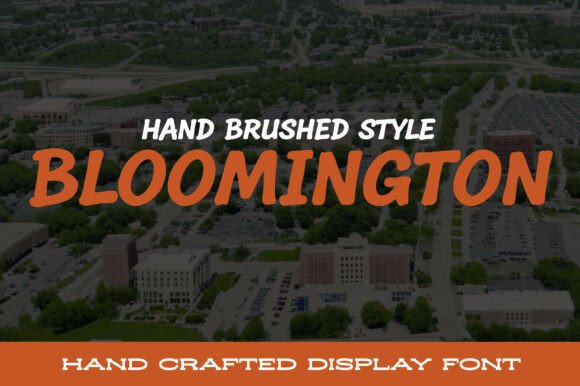
Typography plays a crucial role in visual communication, and Bloomington stands out as a display font that injects personality into every letterform. Designed as a hand-brushed typeface, Bloomington captures the essence of authenticity and craftsmanship. Each stroke is intentionally fluid and expressive, making it a compelling choice for designers seeking to add warmth and character to their work.
Unlike many digital fonts that feel sterile or overly polished, Bloomington embraces imperfection as a strength. The brushwork feels organic, as if each letter was crafted in real time by a skilled hand. This quality makes it particularly effective in contexts where a human touch enhances the message — from brand identities to event posters and product packaging.
Key Characteristics and Design Strengths
Bloomington’s design is rooted in expressive brush lettering, with a balance between control and spontaneity. The font features:
- Dynamic stroke variation — thick and thin transitions give each letter a lively rhythm
- Organic texture — subtle imperfections enhance its handcrafted feel
- Open spacing — improves readability even at smaller sizes
- Consistent energy — maintains its expressive tone across the full character set
What sets Bloomington apart is its ability to feel both bold and approachable. It doesn’t rely on exaggerated swashes or excessive embellishments to make an impact. Instead, its strength lies in its natural flow and confident presence. This makes it versatile for both digital and print applications where authenticity matters.
Practical Uses and Audience Fit
Bloomington excels in design contexts that benefit from a personal, artisanal tone. It works especially well for:
- Brand identities focused on creativity, wellness, or craftsmanship
- Event posters and promotional materials needing visual warmth
- Packaging design for boutique products or indie brands
- Editorial headers and title treatments in digital publications
- Social media visuals requiring expressive typography
Professionals such as graphic designers, marketing strategists, small business owners, and content creators will find Bloomington particularly useful when developing materials that need to feel human and relatable. It’s especially effective for brands targeting audiences that value authenticity, such as local artisans, lifestyle brands, and creative professionals.
Performance in Real-World Applications
When evaluating a display font like Bloomington, practical performance matters as much as aesthetic appeal. In real-world use, the font maintains clarity and character across different mediums. Whether printed on textured paper or displayed on screen at high resolution, its brush-based strokes retain their expressive quality without becoming visually noisy.
One consideration is its suitability for body text. As a display font, Bloomington is best used for headlines, titles, and short bursts of text rather than extended reading. However, when used appropriately, it can enhance visual hierarchy and emotional tone without sacrificing legibility.
Designers working with multi-format branding materials will appreciate how Bloomington pairs well with clean sans-serif or serif fonts. This contrast helps maintain visual balance while allowing the font to shine where needed most — in key messaging and brand touchpoints.
Usability and Workflow Integration
From a usability perspective, Bloomington is well-structured for professional workflows. Most modern design software — including Adobe Creative Cloud, Figma, and Canva — handles the font smoothly. Kerning and spacing have been thoughtfully adjusted to maintain visual harmony, even when custom letter spacing is applied.
For web designers, Bloomington performs reliably as a web font when properly optimized. Its file size remains reasonable, and it renders clearly across modern browsers. However, due to its decorative nature, it’s best used sparingly in web layouts — such as for hero headers, call-out sections, or interactive elements that require visual emphasis.
Long-Term Value and Design Longevity
While trends in typography come and go, Bloomington’s foundation in hand-brushed lettering gives it a timeless quality. It avoids the overly stylized tendencies that can quickly date a design. Instead, it offers a classic aesthetic that remains relevant across seasons and industries.
Designers who invest in Bloomington can expect it to remain effective for years, particularly in brand systems that evolve gradually. Its flexibility allows it to adapt to different visual contexts without losing its core identity. This longevity makes it a valuable asset for businesses and creatives looking to build cohesive, enduring visual identities.
Limitations and Considerations
No font is universally perfect, and Bloomington is best suited for specific applications. Users should be aware of a few practical limitations:
- Not ideal for long-form body text due to its decorative nature
- Limited language support may affect international branding efforts
- May feel too informal for corporate or highly technical contexts
Designers should also be mindful of overusing Bloomington across all brand materials. To maintain visual impact, it works best when strategically applied to key messaging rather than used consistently throughout every design element.
Final Thoughts: Who Should Consider Bloomington?
Bloomington is a strong choice for designers and brand creators who want to communicate authenticity, creativity, and warmth through typography. It offers a compelling alternative to overly digital or minimalist fonts by embracing the energy of handcrafted lettering.
Professionals who will benefit most include:
- Brand designers developing identities for lifestyle, wellness, or creative industries
- Marketers creating promotional materials that need emotional resonance
- Small business owners launching boutique or artisanal brands
- Creative entrepreneurs seeking a distinct visual voice
If your project calls for a font that feels alive, expressive, and uniquely human, Bloomington deserves serious consideration. Used thoughtfully, it can elevate your design work from functional to memorable — adding a personal touch that connects with audiences on a deeper level.