Bubble Pop Cartoon: A Playful Font with Practical Considerations
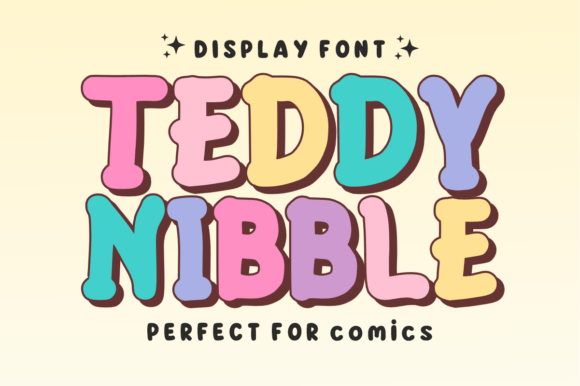
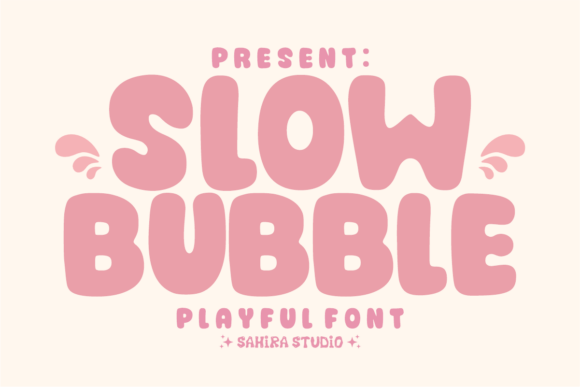
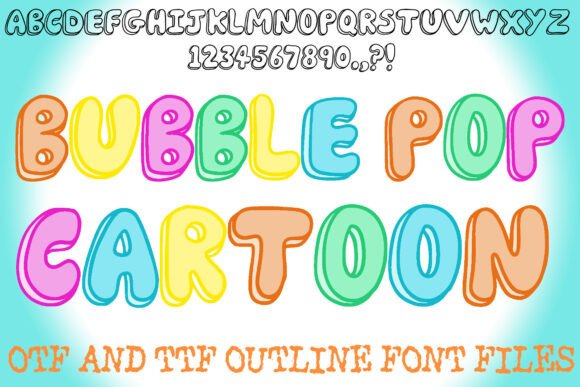
If you're looking to inject a sense of fun and whimsy into your design projects, Bubble Pop Cartoon might be just the typeface you need. With its rounded, puffy bubble shapes and cheerful 3D effect, this font brings a lighthearted, cartoon-style energy to everything from kids' birthday invitations to toy packaging and playful branding. It's especially popular among educators, small business owners, and content creators aiming to capture attention without overwhelming the viewer.
However, while Bubble Pop Cartoon is visually engaging, there are several practical considerations that many users overlook — often leading to unexpected results in their final designs or branding materials. Whether you're a beginner exploring free fonts or a professional purchasing a commercial license, understanding the nuances of this font can help you avoid common pitfalls and make the most of its unique charm.
Common Mistakes When Using Bubble Pop Cartoon
One of the most frequent oversights involves assuming that Bubble Pop Cartoon works well in all contexts. Its playful nature makes it ideal for children's content, comics, and casual branding — but not for formal or professional settings. Using it in a business report or on a corporate website can unintentionally send the wrong message about your brand's tone and credibility.
1. Misjudging the Font's Scope and Limitations
Bubble Pop Cartoon includes only capital letters (in black outline), numbers, and lacks lowercase letters and special characters. This can be a surprise for users who expect full character sets. If your project requires detailed text formatting or punctuation, this font may not be sufficient on its own.
Example: Imagine designing a classroom poster that includes both a title and supporting text. If you use Bubble Pop Cartoon for everything, you'll find that the body copy becomes unreadable or impossible to format correctly. A better approach is to use it for headlines or accents while pairing it with a more complete and legible font for body text.
2. Overlooking File Compatibility and Format Needs
The font comes in both OTF and TTF formats, which are widely supported. However, some design platforms or printers may have preferences or limitations. Failing to verify compatibility before starting a project can lead to last-minute substitutions that disrupt your visual flow.
Tip: Always test the font in your intended software (like Canva, Photoshop, or Illustrator) before committing to it for a major project. Also, if you're using the font for print, confirm with your printer that the format you're using will render correctly.
3. Underestimating Readability at Small Sizes
Despite its clean curves and friendly outlines, Bubble Pop Cartoon loses clarity when scaled down. At smaller sizes — especially below 14pt — the bubbly details can blur together, making the text difficult to read.
Better approach: Use this font for large headlines, logos, or digital banners where it can shine. For smaller text elements, pair it with a simpler, sans-serif font that maintains legibility without sacrificing visual harmony.
Choosing the Right Context for Bubble Pop Cartoon
Because of its cartoonish style, Bubble Pop Cartoon excels in environments where joy and creativity are central. It’s a top choice for children's book illustrations, animated media, and product packaging aimed at younger audiences. However, this same strength can become a weakness if applied inappropriately.
For instance, using it in a serious infographic or a financial presentation could undermine the message's credibility. Always ask yourself: does the tone of the font match the tone of the content?
4. Ignoring Licensing Restrictions
Many users download Bubble Pop Cartoon from third-party sites without checking the licensing terms. While some versions may be free for personal use, they often require a paid license for commercial applications. Using the font in a client project or product without proper licensing can lead to legal issues down the line.
- Always verify the license type before using the font commercially.
- Download from reputable sources like official font marketplaces (Creative Market, Dafont, or the designer's own site).
- Keep a record of your purchase and license agreement.
5. Not Checking for Updates or Errors
Like any digital asset, fonts can have bugs or outdated versions. Some users download older versions that may lack fixes or improved character spacing. This can affect how the font looks in different applications or across devices.
Recommendation: Periodically check back with the font provider to see if updates are available. If you notice odd spacing or rendering issues, it might be due to an outdated file rather than a design flaw.
How to Make the Most of Bubble Pop Cartoon
Now that you're aware of what to avoid, here are some practical tips to help you use Bubble Pop Cartoon effectively:
- Pair it with a complementary font: Combine it with a clean, sans-serif typeface for body text to maintain readability and visual balance.
- Use it for accents and headlines: Let it shine in titles, logos, or callout text where its playful style can stand out without interfering with content legibility.
- Preview before printing: Always print a test copy or view digital files on different screens to ensure the font renders as expected.
- Stick to the intended audience: Reserve Bubble Pop Cartoon for projects aimed at children, casual branding, or entertainment-focused content.
Before You Download or Buy: What to Check
Before committing to Bubble Pop Cartoon, take a moment to review the following details:
- Character set: Confirm it includes everything you need (especially if you're using numbers or symbols).
- Supported formats: Make sure both OTF and TTF versions are available if you're working across different platforms.
- Usage rights: Check whether the license allows for personal, commercial, or web use.
- Designer reputation: Look into the creator’s background or reviews to ensure quality and reliability.
Final Thoughts
Bubble Pop Cartoon is a vibrant, expressive font that can bring a sense of joy and creativity to your design projects. But like any design tool, it works best when used thoughtfully and appropriately. By avoiding common mistakes — from overuse to licensing issues — you can ensure your work looks professional, communicates effectively, and resonates with your intended audience.
So whether you're a blogger designing a playful logo, a teacher creating a classroom poster, or a small business owner packaging a new product, consider how Bubble Pop Cartoon can enhance your visuals — and how to use it without compromising clarity or professionalism.