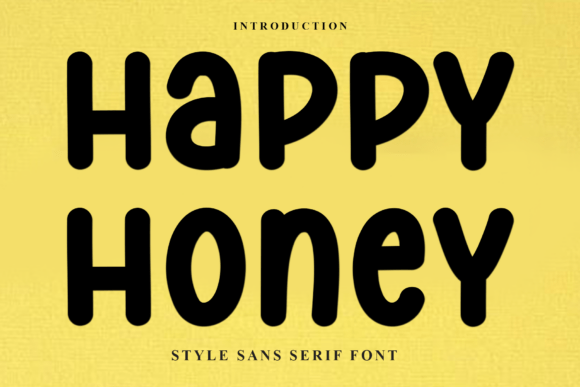
Happy Honey: A Fresh Typography Choice for Modern Designers
Typography plays a crucial role in how we communicate visually. In a digital landscape filled with countless font options, Happy Honey stands out as a soft, expressive typeface that blends aesthetics with functionality. Designed with gentle strokes and a natural feel, it offers a distinctive visual appeal that resonates with both casual creators and professional designers alike.
The Rise of Expressive Typography in Everyday Design
In recent years, there has been a noticeable shift toward more human-centric design. Audiences are drawn to authenticity, warmth, and personality in visual communication. This trend has led to a growing preference for typefaces that convey emotion and individuality—qualities that Happy Honey embodies. Whether used in branding, social media visuals, or print crafts, this font adapts well to a variety of creative needs.
With the rise of DIY culture and digital content creation, more people are engaging in design projects than ever before. From small business owners designing their own marketing materials to bloggers crafting engaging visuals, the demand for accessible yet expressive fonts continues to grow. Happy Honey meets this demand by offering a balance of beauty and usability across platforms.
Why Happy Honey Fits Into Modern Workflows
Design tools and platforms have evolved to become more user-friendly, allowing non-designers to create professional-looking content. Fonts like Happy Honey enhance these workflows by providing a polished, eye-catching option without requiring advanced typographic knowledge. Its compatibility with major operating systems and open-source applications ensures seamless integration into diverse design environments.
For professionals, Happy Honey serves as a versatile asset in branding and packaging design. Its soft, organic look works particularly well for lifestyle brands, wellness businesses, and creative ventures that aim to convey warmth and approachability. In digital spaces, it adds a personal touch to websites, presentations, and promotional graphics without compromising readability.
Adapting to Changing Creative Practices
Creative professionals today are expected to work across multiple mediums—social media, print, video, and interactive platforms. Typography must be flexible enough to maintain its impact across these formats. Happy Honey’s character set includes a wide range of glyphs and stylistic variations, making it suitable for both minimalist and more elaborate designs.
Moreover, the trend toward sustainability and handcrafted aesthetics has influenced digital design. Many creators seek to replicate the warmth of handwritten or hand-drawn elements in their digital work. Happy Honey bridges that gap by offering a digitally crafted font that still feels personal and tactile, aligning with broader shifts in design philosophy.
Practical Applications for Everyday Users
For hobbyists and casual creators, Happy Honey provides a way to elevate simple projects. Scrapbooking, greeting cards, home décor, and social media graphics all benefit from its gentle, inviting appearance. It’s also a favorite among educators and content creators who want to make learning materials or digital content more engaging without overwhelming the reader visually.
Entrepreneurs launching new brands or updating their visual identity can use Happy Honey to create a memorable impression. Its distinctiveness helps differentiate a brand in a crowded market while remaining accessible and readable. Whether used in logo design, packaging, or advertising, it contributes to a cohesive and emotionally resonant brand voice.
- Wedding invitations gain a romantic, elegant touch with Happy Honey.
- Children’s book illustrations benefit from its playful yet legible style.
- Wellness and lifestyle brands can leverage its softness to evoke calm and trust.
Choosing the Right Context for Happy Honey
While Happy Honey is highly versatile, it works best in contexts where warmth and personality are key. It’s not intended for long blocks of body text but shines in headlines, logos, quotes, and short-form content. Designers should consider pairing it with more neutral sans-serif or serif fonts to maintain visual balance in complex layouts.
For digital use, it’s important to test legibility across devices and screen sizes. Though its soft edges contribute to its charm, they may reduce clarity on lower-resolution displays. However, in high-quality print and modern digital environments, Happy Honey performs exceptionally well.
Looking Ahead: Typography as a Branding Tool
As brands continue to prioritize emotional connection with their audiences, typography will play an even greater role in shaping brand identity. Fonts like Happy Honey offer a way to communicate tone and personality without relying solely on imagery or color schemes. This shift emphasizes the importance of choosing typefaces that align with a brand’s values and audience expectations.
For independent creators and small businesses, investing in the right typography can be a cost-effective way to enhance visual communication. Happy Honey, with its wide character set and cross-platform compatibility, offers a smart solution for those looking to build a strong visual identity without the need for custom type design.
- Start with a clear design goal to determine if Happy Honey is the right fit.
- Experiment with different font pairings to enhance readability and contrast.
- Use it in visual content that benefits from a warm, personal tone.
A Typography Choice That Feels Right
In a world where attention spans are short and visual appeal is essential, Happy Honey offers a refreshing alternative to generic fonts. Its thoughtful design and adaptability make it a valuable tool for anyone looking to create meaningful, emotionally engaging content. Whether you're a seasoned designer or someone just starting out, this font brings a unique touch that enhances a wide range of creative projects.