Magic Doodle: A Playful Font for Creative Expression
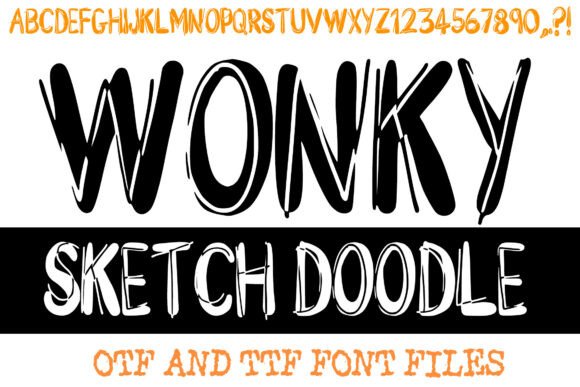
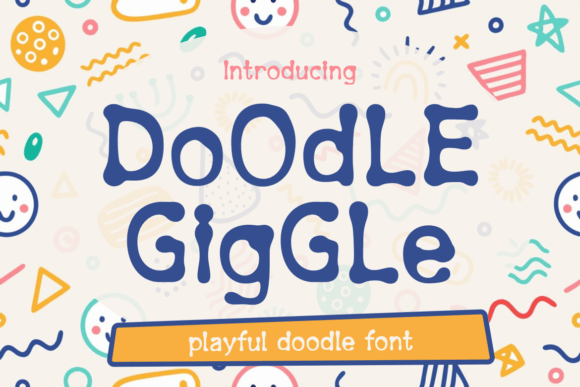
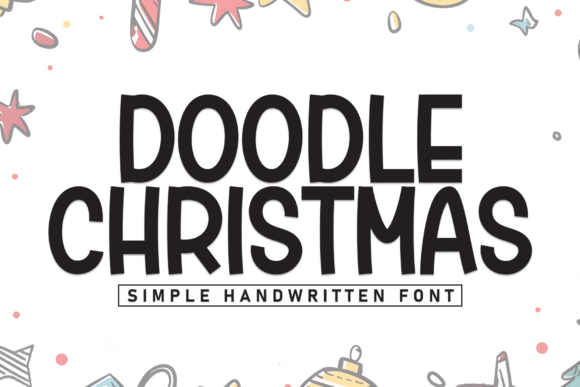
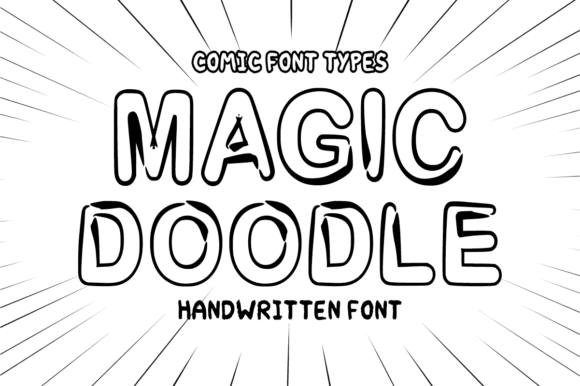
In a digital world increasingly dominated by sleek, minimalist design, there's a growing appreciation for the handcrafted, the imperfect, and the expressive. Enter Magic Doodle—a whimsical, hand-drawn uppercase font that brings a sense of spontaneity and charm to visual communication. Designed with comic and doodle aesthetics in mind, Magic Doodle feels like a page torn from a sketchbook filled with imagination and energy. It’s not just a font; it’s a design tool that invites creativity, especially in contexts where warmth and personality matter most.
Why Magic Doodle Stands Out
Unlike conventional fonts that prioritize uniformity and precision, Magic Doodle leans into its imperfections. Each character is crafted with quirky curves and uneven strokes, giving the font a dynamic, handwritten quality. This intentional irregularity is what makes it feel authentic and approachable. The font’s expressive nature makes it ideal for a wide range of creative applications—from children’s book illustrations to animated explainer videos and playful branding materials.
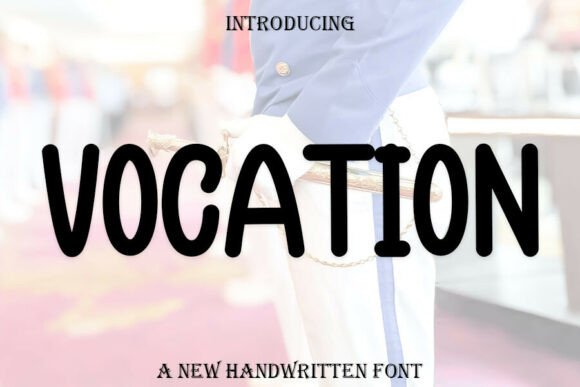
Its all-caps structure adds to its visual impact, making it particularly effective for titles, headers, and short bursts of text where boldness and clarity are key. Because it's designed with a sketch-like appearance, Magic Doodle bridges the gap between typography and illustration, allowing designers to maintain a cohesive aesthetic without relying on additional graphics.
Aligning with Current Design Trends
There’s a clear shift in modern design toward authenticity and emotional resonance. Audiences today are drawn to brands and content that feel human, relatable, and expressive. This trend is especially visible in social media, branding, and educational media, where a polished but impersonal look can feel cold or distant. Magic Doodle fits perfectly into this evolving landscape by offering a typographic style that feels spontaneous and heartfelt.
Moreover, the rise of remote learning and digital content creation has increased demand for visually engaging educational materials. Fonts like Magic Doodle help educators and content creators design materials that are not only informative but also engaging and visually stimulating—particularly for younger audiences or those with a playful learning style.
The Evolution of Hand-Drawn Typography
Hand-drawn fonts have been around for decades, but their popularity has surged in recent years due to the accessibility of design tools and the growing emphasis on creative self-expression. In the past, hand-lettering was often reserved for illustrators and graphic designers with advanced skills. Today, anyone with a digital device can incorporate expressive fonts like Magic Doodle into their projects with minimal effort.
This shift has been fueled by platforms like Canva, Adobe Express, and Figma, which integrate user-friendly design workflows and a wide range of downloadable fonts. As a result, even non-designers can now create visually compelling content that resonates with specific audiences. Magic Doodle benefits from this trend by offering a ready-made solution for those who want to inject personality into their designs without the need for advanced illustration skills.
Practical Applications Across Industries
The versatility of Magic Doodle makes it suitable for a variety of professional and creative applications. Here are a few examples of how different fields are leveraging this unique font:
- Children’s Publishing: The playful nature of Magic Doodle makes it a natural fit for children’s books, activity sheets, and character dialogue boxes. Its energetic style helps maintain a young reader’s attention and enhances the storytelling experience.
- Educational Materials: Teachers and curriculum designers use Magic Doodle in digital flashcards, infographics, and classroom posters to create a fun and engaging learning environment.
- Marketing and Branding: Brands targeting younger audiences or aiming for a lighthearted tone often incorporate Magic Doodle into their visual identity. It works well in social media posts, product packaging, and promotional banners.
- Comic and Illustration Work: Comic artists and illustrators use the font to maintain a hand-drawn aesthetic across panels and captions, ensuring consistency in visual storytelling.
Design Considerations and Best Practices
While Magic Doodle offers a lot of creative freedom, it’s important to use it thoughtfully. Because of its distinctive style, it may not be suitable for long-form text or formal documents. Instead, it shines brightest when used for headlines, logos, or accent text that needs to stand out.
Designers should also consider pairing Magic Doodle with simpler, more legible fonts to create contrast and balance. For example, using Magic Doodle for a headline and a clean sans-serif for body text ensures readability while maintaining visual interest. Additionally, because the font is all caps, spacing and line height should be adjusted to prevent text from feeling cramped or overwhelming.
Color choices also play a significant role in how Magic Doodle is perceived. Using soft pastels or bold, saturated hues can evoke different emotional responses. Experimenting with textures or layering effects like paper backgrounds or pencil outlines can further enhance the sketch-like quality of the font.
Why Magic Doodle Resonates with Modern Creatives
In a time when digital fatigue is real and attention spans are short, the need for designs that feel personal and imaginative is stronger than ever. Magic Doodle taps into this need by offering a typeface that feels both nostalgic and fresh. It appeals to creatives who want to break away from rigid design conventions and connect with audiences on a more emotional level.
Freelancers, educators, and small business owners alike are recognizing the value of using expressive typography to differentiate their work. Whether it’s for a logo, a presentation slide, or an Instagram post, Magic Doodle allows users to communicate with warmth and creativity without compromising professionalism.
Looking Ahead: The Future of Expressive Typography
As technology continues to evolve, so too will the tools and trends in typography. We’re already seeing an increase in variable fonts, animated typography, and AI-assisted design tools that make expressive fonts more accessible and customizable. While Magic Doodle remains a static font, its design philosophy aligns with these emerging trends by prioritizing emotional impact and visual storytelling.
Future iterations of hand-drawn fonts may include more dynamic features, such as alternate glyphs or responsive sizing based on screen context. But for now, Magic Doodle serves as a reminder that sometimes, simplicity and charm are more effective than complexity. As long as there’s a need for creativity and human connection, fonts like Magic Doodle will continue to find their place in the digital design world.