Sunday Sketch: A Strategic Tool for Creative Branding and Communication
Understanding Sunday Sketch and Its Design Potential
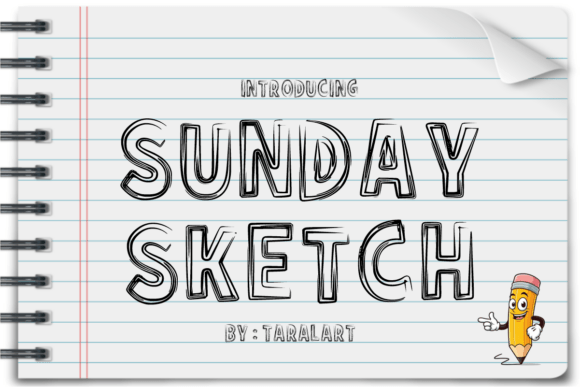
Sunday Sketch is more than just a font—it’s a design decision with emotional and strategic implications. As a hand-drawn sketch font, Sunday Sketch brings a notebook aesthetic into digital and print media. It mimics the appearance of pencil doodles, offering a casual, artistic feel that resonates with audiences seeking authenticity and creativity. This font consists solely of uppercase letters, reinforcing its bold, expressive nature without sacrificing legibility.
For entrepreneurs, educators, and creatives, choosing the right typography isn’t just about aesthetics—it’s about aligning visual language with brand messaging. Sunday Sketch allows users to inject personality into their designs without appearing overly formal or rigid. Its outlined, slightly messy style makes it ideal for projects that benefit from a spontaneous, youthful energy, such as school materials, children’s books, branding for creative startups, and even event invitations.
Strategic Uses of Sunday Sketch in Branding and Content Creation
In branding, consistency is key—but so is differentiation. Sunday Sketch offers a unique voice in a landscape often dominated by clean, minimalist fonts. When used intentionally, it can help establish a brand identity that feels imaginative and approachable. For example, a small business launching a line of educational toys might use Sunday Sketch in its logo and packaging to evoke a sense of playfulness and learning.
- Classroom posters and educational infographics
- Children’s book illustrations and activity sheets
- Handmade product labels and boutique branding
- Planners, journals, and creative bulletins
- Logos for creative agencies or art studios
Each of these applications benefits from the font’s ability to communicate warmth, creativity, and a personal touch. The key is to match its tone with the intended audience and message. Sunday Sketch works best when the goal is to appear accessible rather than authoritative.
Planning Your Design with Sunday Sketch: Considerations and Best Practices
Before incorporating Sunday Sketch into any project, it’s important to consider how it aligns with your overall communication strategy. Typography shapes perception, and using a doodle-style font like Sunday Sketch should be a deliberate choice—not a default.
- Define the tone: Is your message playful, educational, or nostalgic? Sunday Sketch excels in contexts that require a lighthearted or imaginative tone.
- Test for legibility: While the font is designed to look hand-drawn, ensure it remains readable at various sizes, especially in printed materials or digital banners.
- Mix with complementary fonts: Pair Sunday Sketch with a clean sans-serif or serif font to create visual balance and hierarchy in your layout.
- Limit usage to key elements: Use it for headlines, subheadings, or accents rather than long blocks of text to maintain clarity and impact.
- Evaluate brand alignment: If your brand leans toward professionalism or luxury, Sunday Sketch may not be the best fit. But for brands that value creativity and approachability, it can be a powerful visual asset.
How Sunday Sketch Supports Learning, Creativity, and Engagement
For educators and content creators, Sunday Sketch can be a subtle yet effective tool for enhancing learning materials. Its informal appearance makes complex subjects feel more approachable. A teacher designing a worksheet on geometry, for example, might use Sunday Sketch to label diagrams, making the content feel less intimidating to younger students.
Similarly, bloggers and publishers creating digital zines or newsletters can use Sunday Sketch to highlight key ideas or quotes. The font’s artistic quality can help break up dense content and draw attention to essential points. In this way, Sunday Sketch supports not only visual appeal but also cognitive engagement by guiding the reader’s eye and reinforcing tone.
The Risks of Using Sunday Sketch Without Strategic Intent
Typography is a silent communicator. If used without purpose, Sunday Sketch can unintentionally send the wrong message. For instance, using it in a legal document or a corporate report may undermine professionalism. Similarly, overuse across a website or brand identity can dilute its impact and make the overall design feel cluttered or unpolished.
Another risk lies in misalignment with audience expectations. While Sunday Sketch appeals to younger demographics and creative niches, it may not resonate with older or more traditional audiences. Before adopting it, conduct a quick audit of your current visual assets and consider how Sunday Sketch complements or contrasts with your existing style.
Long-Term Value: Integrating Sunday Sketch into a Cohesive Visual Strategy
Design decisions should be made with both short-term goals and long-term brand consistency in mind. Sunday Sketch can be a valuable part of a larger visual toolkit when used thoughtfully. Consider creating a brand style guide that outlines when and how to use the font, ensuring that everyone involved in content creation maintains a unified aesthetic.
Over time, consistent use of Sunday Sketch can contribute to brand recognition, especially in creative industries. Whether it’s featured in a logo, a recurring newsletter header, or social media graphics, the font can become a signature element that audiences come to associate with your unique voice and values.
Conclusion: Making Intentional Design Choices with Sunday Sketch
In a world where visual content is increasingly important, the fonts we choose matter more than ever. Sunday Sketch offers a compelling blend of creativity and approachability that, when used strategically, can elevate your design work. From branding to education, and from marketing to personal expression, this font provides a versatile and expressive option for those who want to stand out while maintaining a sense of warmth and authenticity.
Ultimately, the success of Sunday Sketch lies not in the font itself but in how you apply it. By aligning its use with your goals, audience, and brand identity, you can turn what might seem like a simple design choice into a powerful communication tool.